


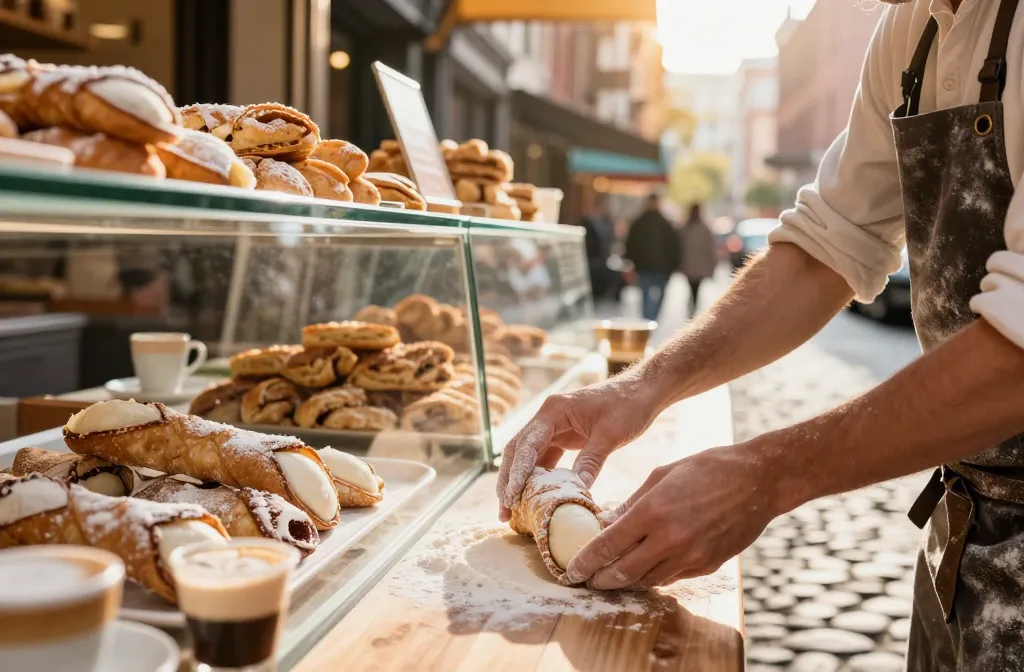
From Brooklyn cannoli to Manhattan bite-sized wonders, NYC hides authentic Italian pastries in plain sight. You just have to know where to look, and maybe what to order. Spoiler alert: the best stuff isn’t always in the glitzy pastry cases. It’s the spots with flour-dusted aprons and generational recipes that make you close your eyes and sigh—yeah, that good.
Where to start: classic neighborhoods with serious pastry cred
New York is bigger than a tiramisu tower, but the strongest Italian pastry vibes cluster in a few streets you can practically map with a bite. Think Little Italy, the East Village, the West Village, and parts of Brooklyn that feel like a shortcut to Naples.
– Little Italy and lower Manhattan: if you want a history lesson in napolitan flour, start here. The older bakeries often hide in plain sight, their windows crowded with biscotti, sfogliatelle, and rich cannoli shells still hot from the oven.
– East Village and Nolita: a more modern Italian lineup, with pastry chefs playing around with classic fillings and bold flavors. You’ll find places that treat sfoglia like a blank canvas.
– Brooklyn’s Italian belt: the red-sauce cousins of NYC have a pastry scene that tastes like a Sunday morning at grandma’s house. Look for places in Cobble Hill, Carroll Gardens, and Red Hook where the coffee tastes like it was roasted yesterday.
What you’ll notice: authentic spots blend simple ingredients, patient technique, and a sense of ceremony. They don’t just sell pastries; they tell tiny stories with every flaky curl of pastry. FYI, if a bakery only has a pastry case and no aroma, run.
The telltale signs: what makes Italian pastries truly authentic
You don’t need a degree in pastry chemistry to spot authenticity. You need a few easy signals:
– Fresh, not overly sweet: real Italian pastries celebrate natural flavors—almond, lemon, ricotta—without sugar shouting over everything.
– Crisp shells, soft centers: cannoli shells that crack when you bite and ricotta fillings that glisten with a touch of honey.
– Proper textures: sfogliatelle should be shattering and layered; zeppole light as a cloud; cannoli ends crisp, not soggy.
– Seasonal riffs: good bakeries rotate fillings with the seasons—orange blossom in spring, pistachio in winter, ricotta with candied fruit during holidays.
– Generational pride: you can feel it in the care, in the way the recipes are handed down week after week. If the staff talk about nonna, you’re eating the right thing.
Canon classics you should definite-ly try
Here are guaranteed conversation starters on your next pastry detour.
Cannoli: the king of pretend-never-had-dessert guilt
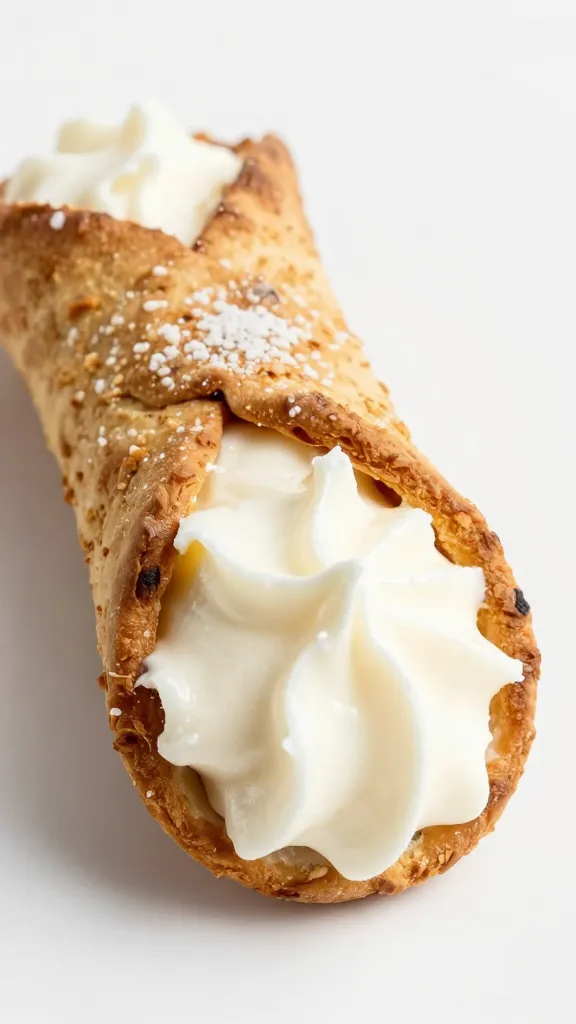
– Look for shells that are deeply fried to a light amber, not pale or soggy.
– Filling should be creamy, not airy foam. A touch of vanilla, a whisper of citrus, and plenty of real ricotta.
– Optional but delightful: mini chocolate chips or candied orange zest for a personality kick.
Sfogliatella: the pastry with a ruffle worth a bow
– If you mistake this for a ricotta-filled something, you’re forgiven—but you’re missing the point. The shell should be crisp and layered, almost linen-thin, with an almost honeyed aroma.
– Filling tends to be orange-scented ricotta or pastry cream. The contrast is where the magic happens.
Pastiera and similar almond-centric pies
– A seasonal favorite around certain holidays; look for a perfumed citrus note and a nutty, grainy texture inside.
Where to go for the best finds in NYC right now
This isn’t a single landmark. It’s a neighborhood scavenger hunt with delicious rewards.
– Little Italy stalwarts: you’ll still find bakeries that feel like a time capsule—warming trays, brass scales, and a line that moves like a well-rehearsed opera. Ask for cannoli with extra chocolate bits if you’re feeling indulgent.
– East Village spots with a modern twist: expect inventive fillings and artistic twists on traditional shapes. These places often pair pastries with strong espresso—because the combo is a crime against delicious things not to be indulged.
– Carroll Gardens and Cobble Hill: here you’ll discover bakeries that exude old-country charm, sometimes with small, almost familial dining rooms. A crostata here can be a revelation.
– Brooklyn favorites that travel well: when you see a bakery with a long, loyal line and waitstaff who greet you like a neighbor, you’re in the right lane. Their cannoli and nut-filled pastries hold their own in a city that loves pastry chaos.
Tips to snag the best pastries like a pro
– Go early or late: morning light is when shells are freshest, but some spots bake through the day. If you hit a rush, your patience will be rewarded with extra-crisp results.
– Ask about the “production day”: some bakeries bake heavy on certain days. If you want the peak texture, swing by after that batch hits the counter.
– Don’t skip the coffee: the right espresso or caffè latte can elevate a simple cannoli to a memory. IMO, a strong espresso cuts through the sweetness just enough to keep you honest.
– Try a sampler: a mini cannoli, a bite of sfogliatella, and a slab of biscotti. You’ll get a better sense of the bakery’s range than by choosing one item.
– Take it to go, then let it rest: pastries can taste different after a few minutes. A quiet nap in a nearby bench means peak texture for your next bite.
What to order if you’re new to the scene
If you’re walking in blind, here’s a friendly starter pack:
– Cannoli, classic or with a twist: if they offer pistachio or chocolate-dipped shells, try both if you’re curious.
– Sfogliatella: even if you’re not a texture person, this is the one to try once just to understand the craft.
– Italian almond cookies (amaretti) and biscotti: great with coffee and a reliable fallback when you’re undecided.
– Seasonal pastries: a lemon tart in spring, a ricotta-and-chocolate thing in winter—seasonality rarely disappoints.
FAQ
Are authentic Italian pastries in NYC expensive?
They can be, but you’re paying for real technique and quality ingredients. Look for a bakery with a balanced price point and generous portions. If a place feels overpriced for a small, not-wonderful bite, keep walking.
How can I tell if a pastry is truly made on-site?
Fresh aroma is your friend. Look for a visible counter with rolling pins, flour on the boards, and staff actively shaping dough. Ask the staff where the products are made; many bakeries proudly point to a back room or a separate display for house-made items.
What’s the best Italian pastry to pair with coffee?
Cannoli and biscotti are the obvious answers, but sfogliatelle also pair beautifully with a bold, dark espresso. The contrast between rich pastry and sharp espresso is where the magic happens.
Are gluten-free Italian pastries common in NYC?
You’ll find a few options, but pure gluten-free Italian pastries aren’t as common as the traditional ones. If you have dietary needs, call ahead or ask your server about substitutions.
What’s a good tip for pastry-hunting in a new neighborhood?
Ask locals: baristas, grocers, or even taxi drivers often know where grandma’s bakery still rules. A quick tip from someone in the know saves you time and a lot of wondering if you’ve wandered into a tourist trap.
Conclusion
New York City isn’t just a melting pot of cuisines; it’s a treasure chest of authentic Italian pastries that taste like they traveled from a quiet Italian street straight to your hands. The trick is chasing the right spots—the bakeries with patient craft, honest ingredients, and a little bit of old-country soul. So next time you’re wandering the avenues, follow the scent of vanilla, citrus, and almond. You’ll stumble into something worth savoring, and possibly a new favorite ritual. If you’re curious, FYI, the best bites often come from the places you didn’t plan to love—until you did.
