


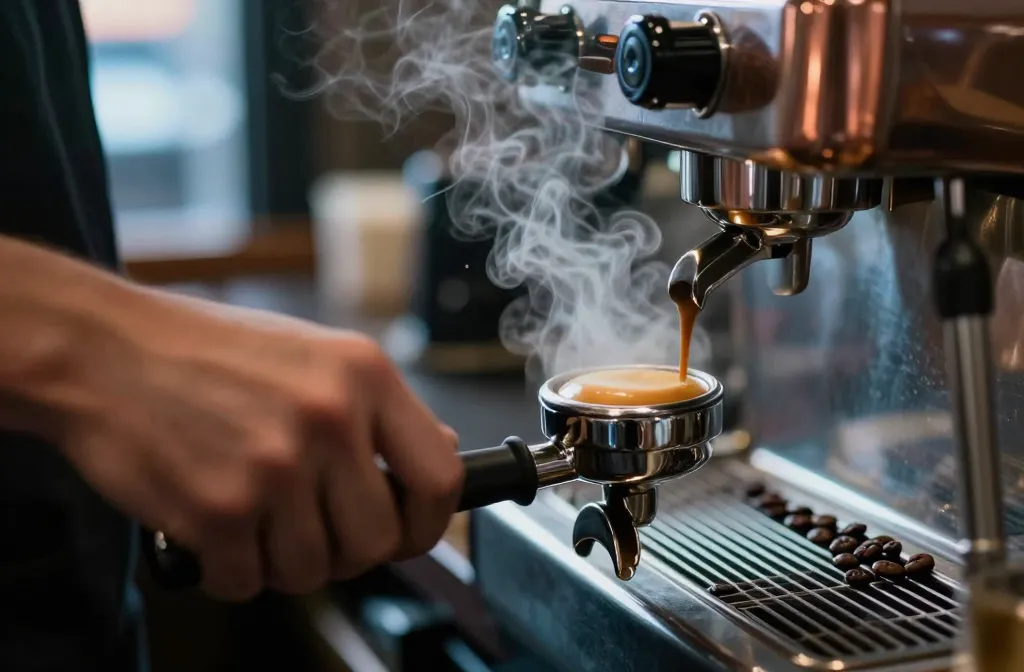
The first sip tells you almost everything about a culture. In NYC, our espresso isn’t just caffeine—it’s a conversation in a tiny cup. Here’s what makes Italian espresso feel soDifferent from the rest, straight from our buzzing caffetteria.
What sets Italian espresso apart? It starts with the basics
Espresso isn’t just coffee; it’s a method, an attitude, and a timer you can taste. In Italy, the ritual is precise, but the experience is surprisingly intimate. We chase a balance between bitterness, sweetness, and body that makes you nod and say, “That’s it.” FYI, the best espresso in NYC doesn’t bravado its way into your morning; it earns its spot.
The machine matters: pressure, temperature, and restraint
– Pressure: Italian machines push around 9 bars of pressure to extract quick, dense flavors.
– Temperature: A steady 90-92°C (194-198°F) keeps oils intact and guarantees consistency.
– Grind size: Fine, but not powdery. Think table-salt consistency with slightly more resistance.
Why does this matter? If you dunk a shot in a cold, loud machine, you’ll miss the delicate notes of cocoa, caramel, and a whisper of fruit. Our baristas obsess over every dial—because a tiny change changes the entire vibe in your cup.
Roast and origin: the flavor map of a real Italian espresso
Italian espresso drinks are a love letter to the bean’s origin, roasted for harmony rather than punch. We often favor medium-dark roasts that bring out sweetness without burning the soul of the bean. The trick is to roast for balance, not for a loud finish.
Single origins vs. blends
– Single origins: Bright acidity, distinctive terroir notes. Great for sipping, but you might lose that classic crema.
– Blends: Rounder, more forgiving, and better for the everyday ritual. They give you that dependable, velvety mouthfeel.
Either way, the goal is crema: a thin, golden layer that sits on top like a tiny perfume. If it’s pale or stuck, something’s off. FYI, crema isn’t decoration—it’s flavor and aroma built into the shot.
Technique in the cup: tamping, dosing, and timing
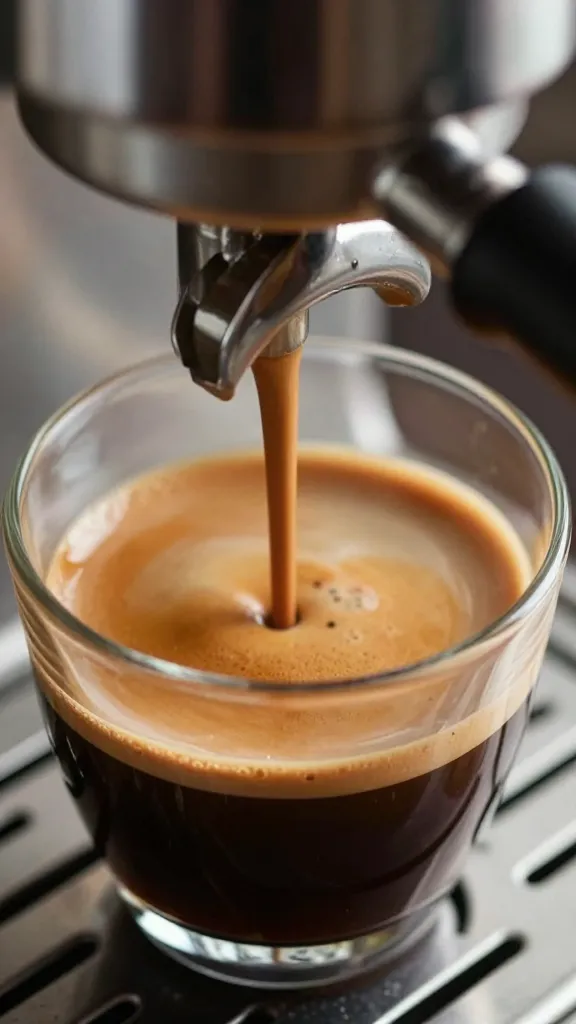
– Dosing: The amount of coffee in the basket sets the stage for balance.
– Tamping: A firm, even press. No wobbles, no surprises.
– Timing: A perfect shot runs roughly 25-30 seconds. Too short, and it tastes flat; too long, and it burns.
Our baristas treat this like a ritual, not a sprint. They’ll tell you the story of a shot in under a minute, but the real story is in the minutes after—the lingering notes that keep you coming back.
Milk matters: texture, temperature, and when to stop
Espresso and milk is a tango. In Italy, the milk often stays ultra-steamed, creating a glossy microfoam that coats the tongue without masking the espresso’s character. In NYC, we love a latte with personality, not a latte that shouts over the espresso.
– Temperature control: Keep milk around 60-65°C (140-149°F) for sweetness and shine.
– Microfoam: Tiny bubbles that feel like satin, not chunky clouds.
– Proportions: A classic cappuccino or macchiato places espresso in front; the milk supports, never overwhelms.
Macchiato vs. latte: when to choose what
– Macchiato: A ‘stain’ of milk on top. Intense espresso, a whisper of cream.
– Latte: More milk, softer voice. Great for mornings when you want to drink your mood.
Still, we’re in NYC. We remix sometimes, but Italian discipline guides our pulse. IMO, the best way to know is to try each: you’ll hear the espresso speak differently with each milky partner.
Crema, aroma, and the afterglow: how you actually taste it
Crema isn’t just surface decoration. It carries aromatics and oils that hit your senses before your tongue does. When you swirl, you release a bouquet of chocolatey, nutty, sometimes citrusy notes. The aroma is half the experience; the rest is the burnished body in the cup.
– Taste layers: Sweet at first, then bitter, finally a lingering roasted sweetness.
– Mouthfeel: A velvety body that coats but doesn’t heavify.
– Finish: Short, clean, and ready for a second shot, not a reset button.
Why Italian espresso feels different in NYC
NYC is loud, fast, and caffeinated to a fault. Italian espresso in our caffetteria thrives because we honor the core: precision, respect for the bean, and a little drama in the cup. We don’t chase novelty for novelty’s sake; we chase clarity and character.
– Freshness culture: Beans rotate, but the roast date is king.
– Fresh milk, fresh water: The water itself alters taste, so we treat it like a hidden ingredient.
– Barista storytelling: Every shot has a memory—where the beans came from, how the roast matured, the moment the crema formed.
Do you feel that vibe? It’s not just caffeine; it’s a quick tour through Italy without leaving Manhattan.
From the bar: how we serve and share the ritual
Serving espresso in Italy is a social moment as much as a caffeine fix. In our NYC caffetteria, we keep that energy: small, intentional steps that invite conversation.
– Quick-fire order: In and out with a smile, unless you want to chat about beans.
– The ritual: Watch the extraction, sniff the aroma, take a short pause, then sip.
– Pairings: A piece of biscotti, a citrus twist, or a dark chocolate shard heighten the experience.
Why we love this ritual? It slows you down enough to notice the details—the roasting story, the crema’s chemistry, the way the cup warms your fingers.
FAQ: Your espresso questions, answered
What exactly makes Italian espresso different from other espressos?
It boils down to two things: technique and balance. Italian espresso prioritizes a precise grind, pressure, and timing to emphasize sweetness and body, rather than a loud, roasted punch. The result is a crema-rich shot with a smooth finish that invites another sip.
Is there a right way to drink an espresso in Italy?
In Italy, you sip quickly and in small sips, standing at the bar. You’re not supposed to nurse it like a latte; you’re supposed to enjoy its intensity in a few bold mouthfuls. In NYC, you’ll see both bar stools and standing rituals—the spirit is the same, the pace adjustable.
What should I look for in a great crema?
Look for a golden-brown layer that’s relatively thick and persistent. It should cling to the surface and release aroma when you swirl. If crema disappears too fast, your shot might be under-extracted or mis-timed.
How do roasts affect an espresso’s flavor profile?
Lighter roasts highlight acidity and fruit notes; they can be bright but sometimes lack body. Medium-dark roasts offer balance, smoother sweetness, and that classic Italian mouthfeel. Dark roasts bring bold chocolate and smoky notes, but risk overpowering delicate flavors if overdone.
Can I adjust espresso strength without changing the roast?
Absolutely. You can adjust dose, grind size, and extraction time. A finer grind, a higher dose, or a longer pull can intensify flavor—just be mindful of breathing room in the cup so you don’t burn the finish.
Conclusion
Espresso isn’t a one-note drink. It’s a conversation you savor—about beans, technique, and time. In our NYC caffetteria, we honor Italian roots while making room for the city’s energy and curiosity. The result? A cup that speaks clearly, cleanly, and with a wink. If you haven’t paused to listen, you’re missing a part of the ritual. So next time you order, ask about the roast, watch the crema form, and enjoy the ride. IMO, that’s the secret sauce of Italian espresso in the Big Apple. FYI, you’ll probably want a second shot.
