


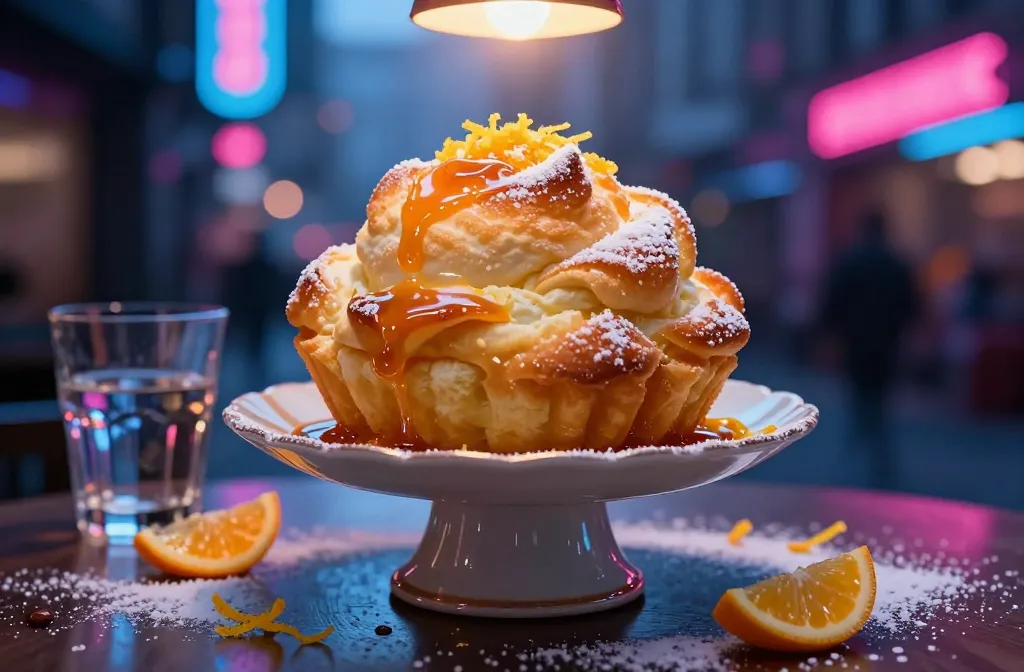
What is Baba? The Neapolitan dessert NYC is falling in love with
If you’ve spent any time wandering the neon streets of NYC lately, you’ve probably heard a chorus of “Baba!” popping up from pastry cases and Instagram feeds. No, not a chant at a soccer match—though it kinda sounds like one. We’re talking about the Neapolitan Baba, a soaked, fluffy dessert stealing hearts from SoHo to the Upper East Side. FYI, it’s not your average cake. It’s soaked in syrup, spongy as a cloud, and somehow both fancy and familiar at the same time.
So what’s going on with this dessert? Let me walk you through why Baba is suddenly the darling of New York’s sweet scene, how to spot a truly great one, and how you can even make a version at home without summoning a pastry sorcerer.
The basics: what exactly is a Baba?
– The short answer: Baba is a small yeast-leavened cake, traditionally soaked in rum syrup and often brushed with citrus, sometimes filled with pastry cream or whipped cream. In Neapolitan circles, it’s treated like a spongey, indulgent little hero.
– The long answer: Think about a cupcake that forgot gravity and decided to become a velvet-soft sponge, then took a bath in a boozy sugar bath. The end result is moist, airy, and intensely flavorful—soaked through but not soggy. In some modern renditions, bakers swap rum for limoncello, espresso, or almond liqueur, which keeps the party going for a broader crowd.
Why NYC is going wild? Because the city thrives on homage and invention. Bakers take a classic from the Campania region and remix it with bold flavors, fancy toppings, and a dash of theater. It’s dessert theater, and the Neapolitan Baba is the star.
Where to find a Baba worth raving about in NYC
– Old-school Italian spots with a twist: Many traditional bakeries in Little Italy and Nolita now offer Baba as a daily special or a seasonal delight. The charm is in the restraint—classic shape, modern finish.
– Neapolitan-inspired pastry shops: A lot of newcomers lean into airy textures and syrup-forward profiles. They pair Baba with citrus zest, pistachio crumble, or a dollop of mascarpone for balance.
– Pop-up and pastry chef collabs: The NYC dining scene loves a good collab, and Baba makes for an excellent guest star. Expect limited runs, dramatic plating, and a sprinkle of theater.
If you’re hunting with intention, ask the pastry counter about the syrup’s intensity and whether the cake is infused with citrus, vanilla, or something spicier. Pro tip: a well-made Baba should sing when you take the first bite, not scream for mercy.
What makes a great Baba texture-wise
– Moist but not soggy: The dream is a sponge that carries the syrup without collapsing. If you poke it, it should spring back, not disintegrate.
– Airy crumb: A good Baba feels light, like you could eat three of them without rolling into a food coma. The airiness comes from proper yeast handling and careful mixing.
– Syrup that isn’t overpowering: The liquid bath should flavor, not dominate. You want hints of rum or citrus peeking through, not a punch in the mouth.
– Finish with a flourish: The final touch—candied zest, a dusting of cocoa, or a creamy filling—should enhance, not bury, the cake.
If a bakery hides the syrup behind a secret, it’s a red flag. If your slice looks pale and dry, you’ve found a cautionary tale. NYC has plenty of the good ones—you just have to seek them out.
Flavor explorations: what’s trending now
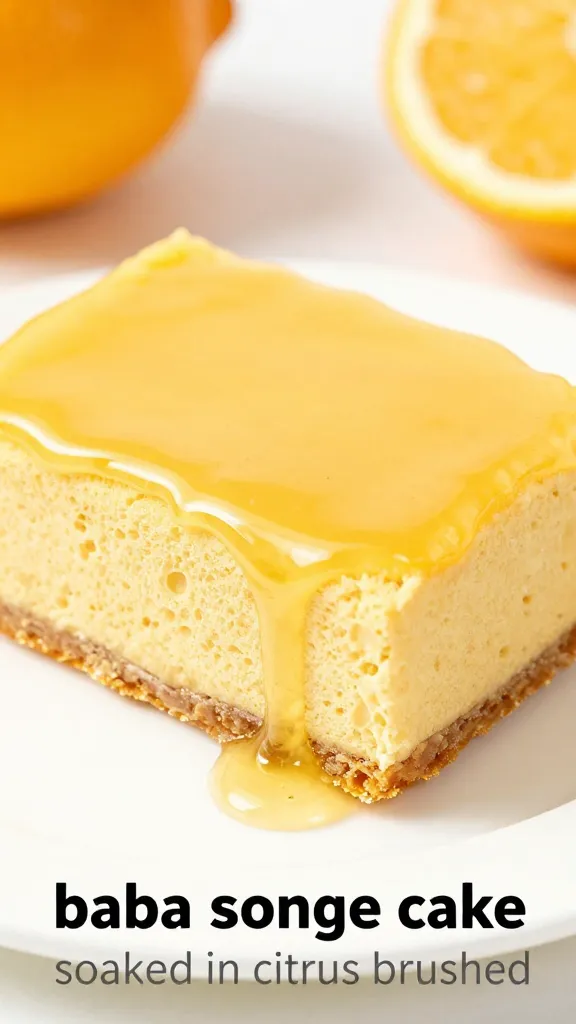
– Citrus-forward Baba: Lemon, orange, or a blend with zest oils gives a bright lift that keeps the dessert from tipping sugary. It’s sunshine in cake form.
– Rum and sponge harmony: Classic rum remains beloved. The key is balance—enough depth without booze overpowering the crumb.
– Espresso and chocolate riffs: For the coffee crowd, a Baba infused with espresso and a chocolate crumb crumble delivers a midnight dessert vibe.
– Mascarpone or ricotta fillings: Creamy fillings add richness and a tang that cuts through the sweetness like a pro.
– Nutty toppers: Pistachio, almond praline, or hazelnut crumble bring texture and a Mediterranean flair.
If you’re planning a tasting, recruit a friend who shares your sweet tooth and go halfsies on a few versions. Bonus: you’ll get to trade notes like a sommelier—but for dessert.
How to order like a local (without sounding like a tourist)
– Ask about the syrup: “Is the syrup light or rich?” helps you gauge intensity.
– Inquire about fillings: “Is there a cream or fruit filling?” guides you toward a satisfying bite.
– Compare sizes: Some places offer minis for tasting; others serve generous slices. Decide if you want a quick hit or a lingering dessert quest.
– Time it right: Some bakeries carry Baba only on weekends, others rotate daily specials. If you see a Baba on the board, grab it before it vanishes.
And if you’re feeling bold, request a “neighborhood-style” Baba. Some locals get creative with toppings or drizzle, and you might uncover your next go-to spot.
Do-it-yourself: how to make Baba at home
– What you’ll need: Simple sponge cake batter (yeast-based or adapted for quick-bread texture), citrus zest, light rum (or rum extract), and a syrup bath. Fillings optional but delightful.
– Basic steps:
1) Bake a light sponge cake or bake-like loaf. Let it cool slightly.
2) Poke holes all over the surface with a skewer to help syrup soak in.
3) Simmer a simple syrup with sugar, water, and a splash of rum. Add citrus zest for zing.
4) Brush or pour syrup over the cake until fully moistened—let it absorb.
5) Finish with a mascarpone cream, whipped cream, or a dusting of powdered sugar.
– Tips from the field:
– Don’t over-saturate on first pass. You can always add more syrup in small increments.
– Chill the cake after syruping so the flavors meld.
– If you want a modern spin, try a lemon-ricotta filling or a coffee-laced version.
Yes, you can nail a great Baba at home with a bit of patience. IMO, the best part is showing your kitchen a little love and then watching your friends do the “Mmm” face.
FAQ
Is Baba a dessert only from Naples?
Baba originated in Poland and later found a devoted home in Naples, where it was embraced and perfected. The name and style spread across Italy and beyond. NYC’s version is a love letter to that tradition with modern twists.
Can I make a dairy-free Baba?
Absolutely. Use coconut or almond milk in the batter and substitute dairy fillings with coconut cream or avocado cream to keep the texture light. Expect a slightly different mouthfeel, but still glorious.
What’s the best beverage pairing for a Baba?
A bubbly sparkling wine or a cup of strong espresso tends to pair beautifully. If you’re going non-alcoholic, a citrusy iced tea or an almond milk latte complements the sweetness nicely.
Why does Baba feel so indulgent?
Because it’s a dessert that wears its decadence lightly. It’s soft, fragrant, and soaked in flavor without being heavy. The alcohol or citrus notes lift it, while the cake keeps it approachable.
Are there vegan Baba options?
Yes, many bakeries experiment with vegan versions using aquafaba or plant-based milks and oils. Expect a slightly different crumb, but still a delightful treat if you’re craving a plant-based option.
Conclusion
If you’re chasing a dessert that feels both nostalgic and novel, the Neapolitan Baba rolling through NYC might just be your next obsession. It’s not flashy in the show-off sense, but it’s deeply satisfying in the way a good conversation is: a little flirt of citrus, a warm hug of syrup, and a wink of alcohol or coffee. NYC loves a good remix, and Baba is one of those rare sweets that invites both tradition and experimentation to the table.
So, what are you waiting for? Scout a bakery with a glass case gleaming under showroom lights, and order a Baba with a curiosity you rarely bring to a dessert menu. IMO, you’ll walk away with a story, a smile, and a crumb-soaked memory you’ll want to recreate at home. If you’ve already tasted a standout Baba in the city, drop a comment and tell me where you found it. Let’s keep the conversation rolling and the syrup flowing.
