



It’s classic dessert countdown time: tiramisu, but not one-note. Today we’re lining up three takes—Traditional, Coconut, and Pistachio—and asking the big question: which one wins? Spoiler: there may be a surprise contender in the running. Let’s dive in and taste-test these beauties like a couple of friends sampling at a cozy Italian cafe.
What makes tiramisu tick (and why variations matter)
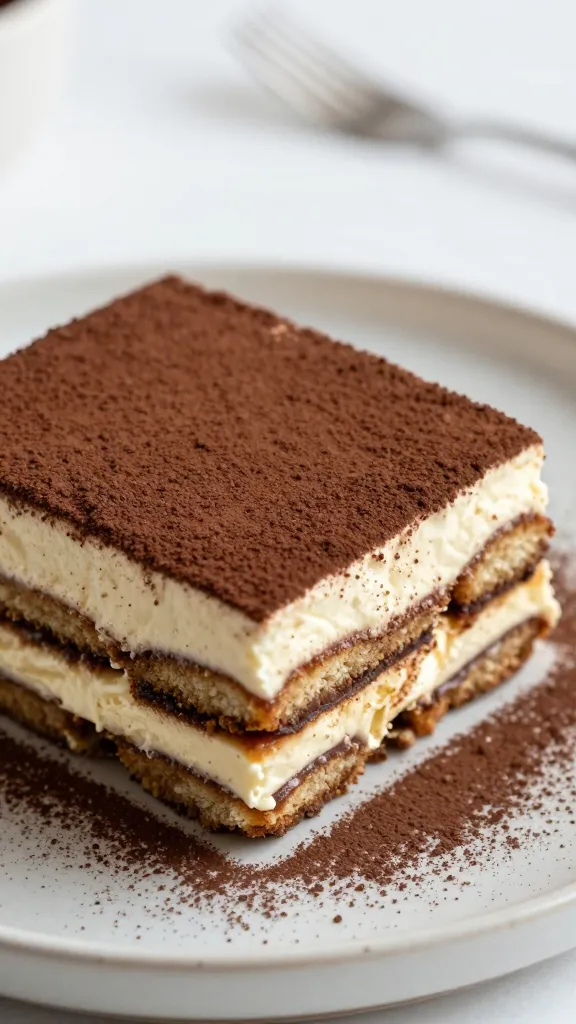
Tiramisu isn’t just coffee-soaked cake with cream. It’s a structure you can riff on, as long as you respect a few core moves: ladyfingers that sponge up moisture, a mascarpone-sweetened cream, a kiss of espresso, and a dusting of cocoa. The magic is in balance—espresso strength, sweetness, and the creamy bite. If you mess with the ratio too much, you’re not making tiramisu anymore; you’re making something else that bears a resemblance.
– Core elements: espresso-soaked ladyfingers, mascarpone cream, dusting of cocoa.
– What guests want: a tender bite, not soggy soup or rock-hard biscuits.
– The fun part: you can swap flavors without losing the vibe.
Traditional tiramisu: the gold standard or nostalgia trap?
There’s a reason the classic finds its way onto menus and into home kitchens. It’s elegant in its simplicity, like little black dress of desserts—versatile, reliable, crowd-pleasing.
Why people chase the traditional version
– The balance is tight: coffee depth meets creamy sweetness without tipping over.
– Texture matters: the fingers should be tender, not limp; the cream should cradle, not overwhelm.
– It’s forgiving if you keep the components steady: good-quality mascarpone, fresh eggs or a safe dairy replacement, and a decent cocoa finish.
How to nail it at home
– Use a strong but not bitter espresso. No weak coffee here.
– Whip mascarpone with a bit of sugar and a splash of vanilla; fold gently to keep it airy.
– Dip the ladyfingers quickly—constantly soggy is a crime.
– Chill time is sacred: 4 hours minimum, overnight preferred.
Potential pitfalls to dodge
– Over-soaked ladyfingers turning the stack into mush.
– Eggy undertones if you rely on raw eggs; consider pasteurized or a stabilized method.
– Cocoa dusting too early or too thick—keep it light and fresh.
Coconut tiramisu: tropical twists, familiar structure
If you crave sunshine, coconut adds a sunny vibe without breaking the tiramisu DNA. The ritual remains—cream, coffee, ladyfingers—but the flavor has a palm tree soundtrack.
What coconut does to the flavor profile
– It adds a nutty, creamy sweetness that softens espresso edge.
– Toasted coconut on top brings a satisfying crunch and aroma.
– Coconut milk or cream in the filling lightens the texture a touch, making it feel dessert-y but not cloying.
Best ways to implement coconut without overpowering
– Substitute half of the mascarpone with coconut cream for a lighter, creamier feel.
– Use coconut milk-soaked ladyfingers or a light dusting of shredded coconut in the cream.
– Finish with toasted coconut flakes and a light cocoa dusting for contrast.
Flavor pairings that sing
– Dark chocolate shavings for a bold note.
– A whisper of vanilla or almond to echo the coconut.
– A splash of rum or coconut liqueur if you want a party in a spoon.
Pistachio tiramisu: a green, nutty revolution
Pistachio is not shy. It brings a roasted-green nuttiness that makes the dessert feel less dessert and more dessert-adjacent from a fancy cafe. Expect crunch, color, and a new kind of richness.
What pistachio brings to the table
– A mild, fragrant intensity that stands up to espresso.
– A pleasant, almost savory edge that keeps sweetness honest.
– A vibrant green pop that makes the whole dessert look irresistible.
How to layer pistachio into the classic format
– Mix finely ground pistachios into the cream for an earthy bite.
– Add pistachio paste to the mascarpone for color and depth.
– Layer crushed pistachios on top for a crunchy finish.
Tips for color and texture balance
– Not too green, not too grainy—keep it smooth with a light hand on the pistachio paste.
– Use a crunchy element on top to contrast with the cream’s silkiness.
– If you’re worried about overpowering the other flavors, start with a small amount and scale up.
Which one wins? A tiny truth-teller’s verdict
Here’s the honest take: there isn’t a universal winner. It all comes down to what you’re chasing in the moment.
– If you want comfort and familiarity, traditional wins. It’s a safe bet that satisfies almost anyone who loves coffee and cream in harmony.
– If you crave something playful, coconut offers a sun-kissed twist that still respects the structure.
– If you’re chasing elegance with a twist and a hint of fancy, pistachio delivers color, texture, and a whisper of sophistication.
IMO, the “winner” is the tiramisu that matches the occasion. Family gathering? Traditional. Summer brunch? Coconut. Dinner party where you want to impress? Pistachio. FYI, you can even mix elements across servings if you’re feeling bold.
Techniques and tweaks to level up any version
Want to up your tiramisu game across the board? Check out these universal tweaks that keep things delicious, no matter the flavor.
- Mascarpone texture: Ensure the cheese is at room temperature. Whip until it’s light and billowy but not airy like a mousse.
- Espresso strength: If your coffee is weak, you’ll lose depth. Consider a 1:1 espresso and a small amount of strong coffee shot for punch.
- Moisture control: Dip cookies briefly. Two seconds per side is plenty; you want moisture, not a soggy mess.
- Sugar balance: Taste the cream before assembling. You can always add a touch more, but you can’t take it out easily once mixed.
Serving ideas and presentation tips
Tiramisu shines as much in its look as its flavor. A few presentation tricks can turn your dessert into a showstopper.
- Slice neatly and serve chilled for clean layers.
- Dust cocoa or extra pistachio shards right before serving to keep the top vibrant.
- Use clear glasses for individual portions to showcase the layers—trust me, it looks fancy.
- Pair with a simple dessert wine or coffee to cap the experience.
FAQ
Can I make tiramisu ahead of time?
Yes. In fact, tiramisu benefits from chilling overnight or at least 4 hours. Flavors meld, and the texture firms up just right. Just cover tightly so it doesn’t pick up fridge aromas.
Is it safe to use raw eggs in traditional tiramisu?
Some people worry about raw eggs. You can use pasteurized eggs or swap in a stabilized mascarpone-cream mixture that’s safe but still fluffy. If you’re serving for kids or immune-compromised guests, go with the pasteurized route.
Which flavor travels best for gatherings?
Traditional travels well—most folks recognize it and appreciate the classic. Coconut travels surprisingly well too, especially in warmer climates. Pistachio is fantastic for a more refined evening event where you want a conversation starter.
Do I need alcohol in tiramisu?
Not strictly. Traditional recipes often use Marsala wine. You can skip it for a milder profile or substitute with rum, coffee liqueur, or almond extract. A touch of liqueur can deepen the flavor, but a lot of it can overpower the balance.
How do I store tiramisu leftovers?
Keep leftovers covered in the fridge for up to 3–4 days. If you’re stacking multiple flavors, wrap the container tightly to prevent flavor transfer. Freeze is not ideal for texture, but some people freeze individual portions for later; texture may suffer upon thawing.
Conclusion
Three tiramisu, three moods, one dessert that never gets old. Traditional brings dependable comfort; coconut adds sunny playfulness; pistachio brings an artful bite. The “winner” depends on your vibe, guest list, and occasion—IMO the best approach is to pick one, then experiment with the others when you’re feeling bold. So which one are you whipping up first? FYI, you can always mix elements to create your own signature take. Happy tasting, friend.
