



They say if you want the real Italian pastry, you’ve got to go to Sicily. I say: you’ll find it right here in NYC, where we roll the cane and fill the cannoli with the swagger of the old country. If you’ve ever bitten into a crisp shell that shatters into little snowflakes and met a filling that tastes like kissed cream and sunshine, you know what I’m talking about. Let’s dive into how we make cannoli the traditional Sicilian way—here in the Big Apple.
What makes a cannolo truly Sicilian, and why NYC loves it so much
We’re chasing authenticity, not vibes. Sicilian cannoli are all about the balance: a crisp, fried shell with a creamy, not-too-sweet filling, and the right accents that keep you coming back for more. In Sicily, they’re often dusted with powdered sugar and sometimes studded with candied fruit. In NYC, we honor that lineage while making sure every bite hits just right in a city that never slows down.
– Crisp shells that crackle on contact
– Rich, smooth filling with a touch of citrus
– Simple garnishes that lift, not overwhelm
– A respect for tradition my nonna would approve of
So, yes, it’s possible to reproduce the magic here, and it’s worth chasing with every bite. FYI, the best cannoli aren’t overstuffed; they’re artistically restrained so the shell’s snap shines through.
The shell: the cornerstone you can’t fake
If you want a cannolo that holds up, start with the shell. In Sicily, shells are usually fried to a perfect golden brown, then shaped into tubes and cooled so they stay crisp. In NYC kitchens, we often use a machine press to get uniform shells, but the spirit is the same: thin, sturdy, and able to bite without crumbling.
– Use high-gluten flour for structure
– A touch of sugar to enhance browning
– Fry in clean oil at the right temperature (around 350-360°F)
– Shape while hot so they hold their curves
Shell tech hack: the timing matters
You want the shell to be crisp yet not brittle. Pull it from the oil when it’s just started to bronzy and give it a quick drain on paper, then slide into a cone mold to keep that classic tube shape. If you overcook, you’ll taste the oil; undercook, and you’ll battle a chewy exterior. IMO, perfection is a 2-3 minute window per batch.
The filling: silk that whispers sweetness
The filling is the heartbeat. Traditional Sicilian cannoli fillings lean toward ricotta, sometimes blended with mascarpone or a splash of vanilla and citrus zest. The trick? Drain the ricotta until it’s silken, not grainy, and sweeten judiciously so the ricotta’s tang shows through.
– Ricotta, well-drained
– Powdered sugar, light touch
– Optional: a whisper of vanilla or citrus zest (orange or lemon)
– Tiny pinch of cinnamon or a splash of Marsala for depth (optional, but delicious)
Classic vs. luxe fillings
Classic Kunden-style filling stays simple. Luxe NYC spots might fold in pistachio, chocolate chips, or candied citrus for texture and personality. If you’re making at home, start with plain ricotta and build up—you’ll know when it sings.
Garnishes that add personality, not chaos
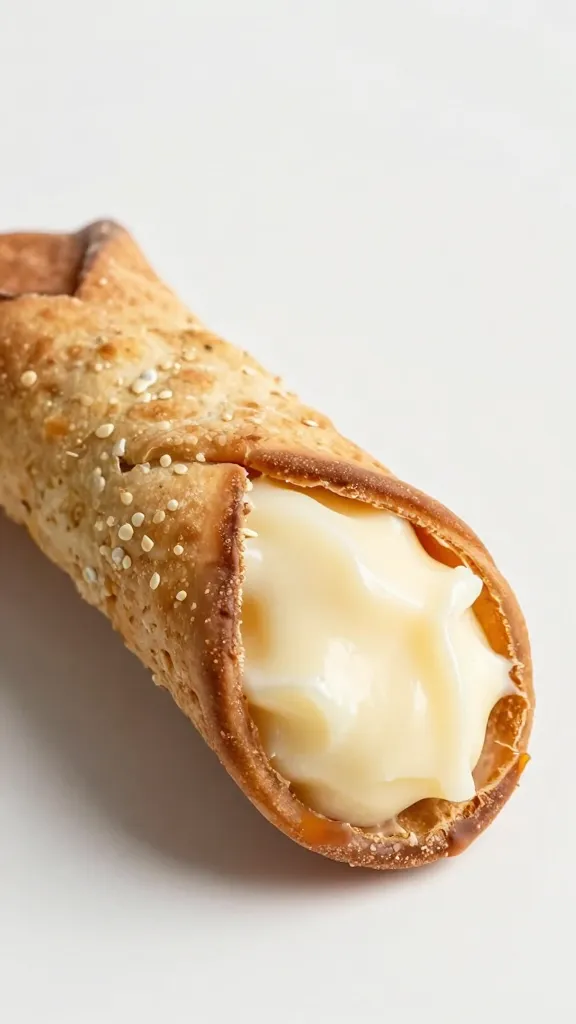
Garnish is where we let our individuality shine without drowning the core flavors. In Sicily, you might see a dusting of powdered sugar or a few chopped pistachios. In NYC, some spots go bold with candied orange peels or dark chocolate drizzle. The key is balance, not showiness.
– Pistachio dust
– Candied orange peel
– Fine dusting of cinnamon or cocoa
– A light drizzle of chocolate (if that’s your vibe)
Texture notes for garnishes
Chopped pistachios give a little crunch to contrast the creamy filling. Candied peel adds a zesty aroma that wakes up the filling. Don’t go overboard—your mouth should taste the cannolo, not a garnish buffet.
Temperature and texture: serving best practices
You’ll hear people say cannoli should be eaten immediately. There’s truth there, but NYC kitchens have cracked the code: a properly baked shell can travel if the filling is chilled and the shells are dry until assembly.
– Store shells in a dry container away from moisture
– Keep filling cold, then pipe just before serving
– Assemble on site for maximum snap
– If you’re transporting, ship shells and filling separately
Why does timing matter so much?
When the shell sits too long after frying, it softens with the steam from the filling. If you pipe the filling into a warm shell, you compromise the entire texture. The magic happens at the moment of assembly—like a mic drop, but with pastry.
From pesto of Sicily to a city of dreams: our NYC twist
We love honoring Sicilia’s roots, but New York has given cannoli a personality all its own. Here, shops might pair cannoli with a glass of Marsala, a cappuccino, or even a playful chocolate shell variant. The NYC twist isn’t about abandoning tradition; it’s about celebrating it in a city that loves good food with a side of storytelling.
– Respect the core ingredients
– Let local ingredients influence the filling subtly
– Keep the shell faithful in shape and technique
– Embrace a little playful garnish for personality
A few NYC-steric ideas that still respect tradition
– Pistachio-studded shells with ricotta filling
– Dark chocolate dipped ends for a contemporary wink
– Candied lemon zest in the filling for brightness
A bite-sized tour: what to order and where to start
If you’re visiting NYC and craving the Sicilian cannoli experience, here are prompts to guide your taste buds:
– Look for shells that snap and shine, not dull and thick
– Ask about ricotta draining time; the longer, the smoother
– Inquire about citrus zest in the filling for that zing
– Seek a place that pipes the filling fresh, not pre-filled
How to pick a great cannoli spot
Ask locals, peek at a menu that emphasizes tradition, and watch for a pastry counter where shells are fried on-site. If you’re bitten by the cannoli enthusiasm bug, find a place that celebrates the craft, not just the trend.
FAQ
What is the key difference between Sicilian cannoli and other Italian versions?
The Sicilian version typically uses a ricotta-based filling with minimal sweetness and a crisp, fried shell. Other Italian versions may use different fillings or pastry styles, but the classic Sicilian approach centers on balance, texture, and a bright ricotta flavor.
Can I make cannoli shells at home without a deep fryer?
Yes. You can fry shells in a sturdy pot with enough oil to submerge the tube. Keep the oil temperature steady, shape immediately, and drain well. If you don’t want the fryer mess, you can buy pre-made shells and just focus on the filling and assembly.
Should I use citrus zest in the filling?
Absolutely. A hint of orange or lemon zest wakes up the ricotta and adds that essential Sicilian brightness. Don’t go overboard—tiny amounts go a long way.
Is it acceptable to fill cannoli ahead of time?
Best practice: fill as close to serving as possible. The shell will soften as it absorbs moisture from the filling. If you must prepare ahead, keep shells dry and fill just before eating.
What’s the best way to store cannoli leftovers?
If you have leftovers (miracle, but it happens), store shells and filling separately in the fridge. Reassemble right before serving to preserve texture.
Conclusion
Cannoli, done the Sicilian way, isn’t a novelty act; it’s a tradition you can taste in the heart of NYC. The shells crackle with stories of sunlit Sicilian streets, while the filling dances with citrus brightness and a whisper of sweetness. We honor the craft—drain the ricotta just right, fry the shells to a perfect bronze, and fill with care so the experience remains a moment of pure joy, not a messy scramble.
If you’re in New York and craving a true cannolo that respects the old country while living it up in the city that never sleeps, you’re in the right place. IMO, the best cannoli aren’t flashy; they’re precise, balanced, and a little bit stubborn about being perfect. So go ahead, take a bite, and let the snap, the cream, and the nostalgia carry you back to Sicily—even if just for a delicious moment.
