


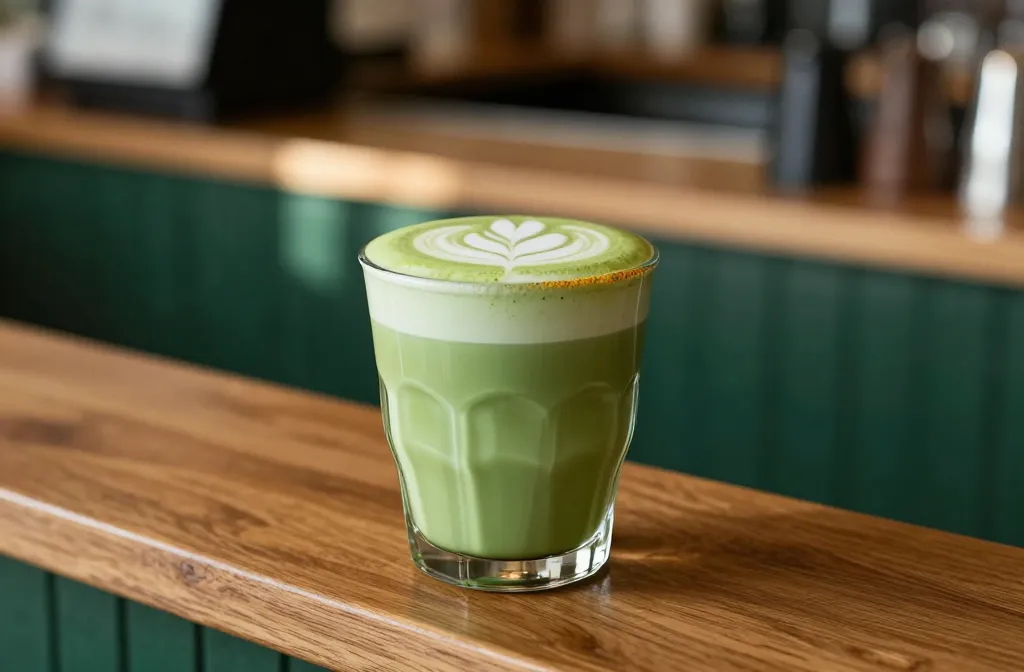
The best matcha latte in NYC isn’t hiding in some hush-hush speakeasy. It’s front-and-center, steaming softly, and made the Italian way—bold, precise, and wonderfully indulgent. Yes, you heard that right: matcha with a touch of la dolce vita. Let me break down why this is a game-changer for your caffeine routine.
What makes this latte feel distinctly Italian
Imagine the discipline of a Barolo-quiet espresso pull, but swapped for vibrant green matcha. The Italian twist here isn’t about masking the tea; it’s about elevating it. Think of a latte that respects the matcha’s grassy brightness while harnessing the creamy, velvety texture you crave after a long day. The result? A drink that sings with balance rather than shouting for attention.
– The base technique honors la cucina italiana: clean, measured, and confident.
– Milk texture gets treated like a velvety silk scarf—no lumps, no foam fascism.
– A touch of citrus realism? Optional, but it brightens without overpowering.
FYI, the goal is to celebrate both worlds, not pick sides. IMO, that’s where the magic lives.
The Italian technique: what to expect in every cup
If you’ve had “espresso-forward” drinks, you’ll appreciate the twist here. The barista’s craft shows in how they handle heat, timing, and balance.
– Temperature control: never scorched milk, always a gentle cradle for the matcha.
– Milk handling: microfoam that’s glossy and stable, like a well-made pasta dough—soft yet resilient.
– Sweetness level: strategic little nudges rather than a sugar avalanche.
Subsection idea:
Think in layers
– Layer 1: Matcha intensity—chi—bright, slightly grassy.
– Layer 2: Milk texture—creamy, not cloying.
– Layer 3: Finishing notes—tiny citrus zest or almond milk nuance, if you choose.
This layering is where the Italian mindset shines: precision, but with room for a delicate flourish.
Why the matcha here beats the rest
So many places slap a dollop of foam on a tea shake and call it a latte. Not this. The NYC version that borrows from Italian technique nails three crucial points:
– Fresh, high-grade matcha that doesn’t taste like pond water.
– Dairy or plant milk that behaves—creamy, not split, with a gentle sweetness.
– A temperature-dive that keeps the flavor honest, avoiding the bitter trap.
Ask yourself: when you sip, do you feel warmed by the drink or warmed by the ambiance? Here, you get both, without the sugar crash.
How to order it like a pro
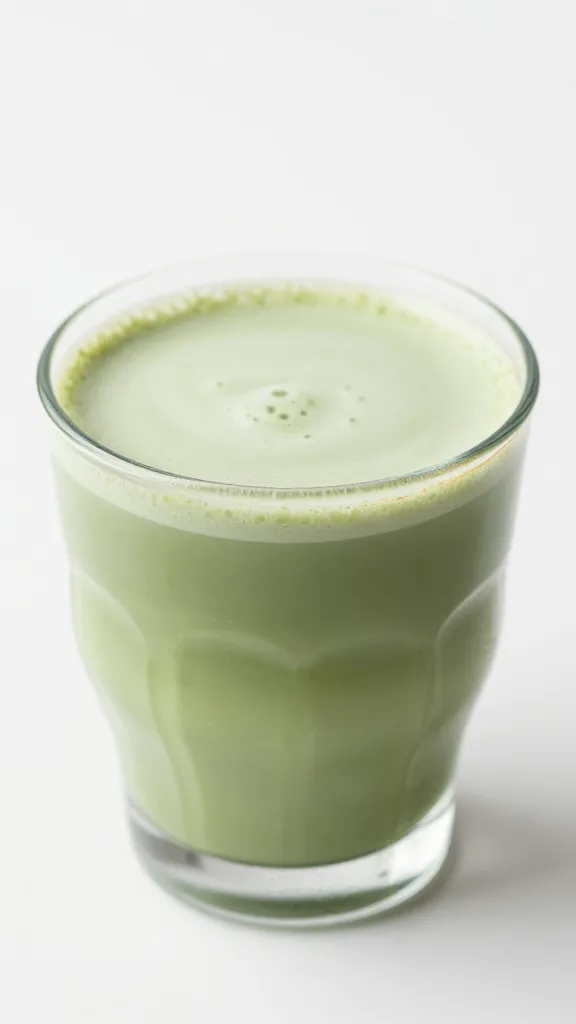
If you’re aiming for the full experience, here are some pro tips to navigate the queue without sounding like a coffee snob:
– Request the “Italian texture” please: a soft, glossy microfoam rather than a balloon of foam.
– Ask for a touch of sweetness, but not a syrup flood. Say “lightly sweetened” and you’ll probably get a better balance.
– Mention citrus or almond accents only if you’re curious—these are optional but lovely when done right.
Subsection:
Customize without wrecking the vibe
– Dairy option: whole milk for creaminess, oat for a modern, smooth finish, or almond for a nuttier drop.
– Temperature: if you’re sensitive to heat, ask for a cooler pour so the flavors don’t wilt.
– Sweetness cadence: a quick stir yourself after the first sip helps you gauge if a second espresso-like kick is needed.
The texture game: why mouthfeel matters
Texture often gets overlooked in reviews, but Italians treat it like a core ingredient. A latte can taste like ambition if the foam is stable and the milk carries the matcha without flaking into a chalky aftertaste.
– Look for a satin-smooth top—no bubbles marching in formation.
– Feel the mouthfeel: it should cling a little, then melt away, leaving a clean finish.
– Aftertaste should be clean, with the matcha’s vegetal notes lingering pleasantly, not tasting burnt.
If your latte finishes with a ghostly aftertaste, you know what happened: someone rushed the texture, and the magic fizzles out.
Popular misconceptions about matcha lattes
Let’s debunk some myths, shall we?
– Myth: All matcha tastes grassy and bitter. Reality: quality matters. High-grade ceremonial or culinary matcha can be balanced by the Italian technique to reduce bitterness while preserving brightness.
– Myth: You must drown it in sugar to enjoy it. Reality: the right balance lets the tea sing; sugar should be a whisper, not a shout.
– Myth: It’s a fad. Reality: it’s a refined craft that travels well—from NYC cafes to your kitchen at home.
Subsection:
Why the “Italian way” isn’t just a gimmick
Because it’s about discipline, not drama. The Italian approach to coffee culture is about exact temperatures, clean technique, and a love of texture. Transplanting that mindset to matcha creates a drink that feels both familiar and refreshingly new.
Where to find it in NYC (and what to expect)
New York is a playground for coffee nerds and tea lovers, and the best takes on this Italian-inspired matcha latte are often in places you’d least expect. Expect sleek counters, well-lit spaces for a quick afternoon ritual, and staff who actually care about your drink more than your tip.
– Expect a quick service tempo, but never rushed—quality over speed.
– The vibe ranges from minimalist chic to cozy café with a corner window and a gossip-worthy pastry case.
– If you’re lucky, you’ll catch a barista riffing on the recipe, tweaking sweetness or citrus notes like a DJ on a setlist.
FAQ follows—find practical answers to common questions about this Italian-inspired matcha experience.
FAQ
Is this latte significantly different from a regular matcha latte?
The key difference is the texture and the approach to sweetness. The Italian method emphasizes a velvet microfoam and a balanced sweetness, allowing the matcha’s brightness to come through without bitterness. It’s a refined evolution, not a different drink.
What type of milk works best for this latte?
Whole milk gives a rich, creamy mouthfeel that echoes the Italian latte tradition. Plant milks like oat or almond can work too, but you may notice subtle shifts in texture. Ask the barista what they recommend for the exact cup you’re ordering.
Can I get this drink vegan?
Yes. Ask for a vegan version with a plant-based milk that foams well. Some spots offer almond or oat milk that still deliver that glossy, sip-able texture.
Is the citrus or nut finishing touch essential?
Not essential, but wonderfully refreshing if you enjoy a brighter note. It’s like a micro-zest of sunshine on top—optional, but many fans swear by it.
What should I pair with it?
A light pastry works wonders. Think lemon biscotti, a delicate almond croissant, or a pistachio bite. The idea is to complement the latte without competing with its flavor.
Conclusion
If you’re chasing a matcha latte that feels both adventurous and comforting, this NYC-born, Italian-tue-crafted cup is your ticket. It’s not just about green tea with milk; it’s about a disciplined, delicious balance that respects both traditions. IMO, you’ll taste the difference in the texture, the finish, and the clean brightness that lingers after the last sip.
So, next time you’re in town, skip the generic latte run and seek out the place that treats matcha like a fine Italian espresso—crafted with care, served with character, and finished with a wink. The best matcha latte in NYC isn’t a myth; it’s this blend of heritage and craft, poured into a cup that’s almost too pretty to drink. Almost.
