


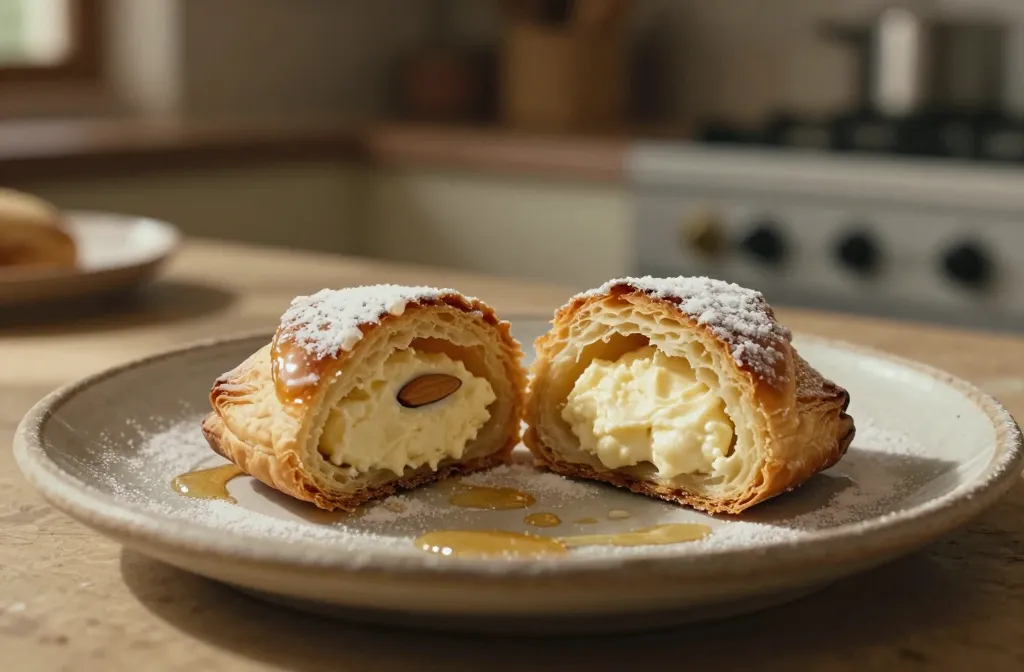
It’s not every day you stumble upon a dessert that sounds like a superhero’s code name, but here we are: Cassatina. This Sicilian pastry is the undercover star of Italian desserts, and you’re about to meet it, live and in the flaky flesh. Spoiler: it’s delicious, and yes, it’s worth the hype.
What Cassatina is, in a nutshell
If you’ve heard of cannoli and thought, “Nice, but where’s the pastry integrity?” Cassatina steps in with a wink. It’s basically a handheld almond- or ricotta-filled pastry, wrapped in a crisp, honeyed shell and dusted with powdered sugar. The version most people crave is a mini-pie-meets-cannoli hybrid: delicate on the outside, lush on the inside, and always a little nostalgic. FYI, it’s hot on the Sicilian food scene right now, even if you’ve never heard of it outside Palermo’s markets.
Origins: a little history with a lot of flavor
Where does Cassatina come from? A bit of romance, a dash of practicality, and a pinch of cross-cultural pastry magic. Some sources say it grew out of the island’s early 20th-century markets, where bakers needed a dessert that could travel well and keep its friends entertained for hours. Others claim it’s the cousin of cannoli, just sharpened into a more portable, less showy version. Regardless of the exact origin story, the message is clear: Sicilians know how to turn humble ingredients into something memorable.
What goes into a Cassatina
Here’s the quick-and-dirty lineup. Get ready to nod along and say, “Yep, that checks out.”
- Shell: A crisp, crescent-shaped pastry or cookie shell, often honeyed or slightly sweetened for that glossy finish.
- Filling: Rich ricotta or almond paste, sometimes scented with citrus zest or vanilla. Some bakers mix in bits of candied fruit or chocolate chips for texture.
- Textural magic: A light drizzle of glaze or a dusting of powdered sugar, plus a final dusting of said sugar that makes it look like a snow day in Sicily.
How it’s made: a simple bake, a big payoff
The beauty of Cassatina lies in its balance. The shell should crack with a gentle bite, revealing a velvety center that doesn’t overwhelm. Here’s a lean, approachable version you can imagine walking through a home kitchen.
Step-by-step, no-stress version
- Prepare the shells until they’re golden and crisp. You want them sturdy enough to hold the filling.
- Whip up a creamy ricotta mixture: ricotta, a splash of vanilla, and a touch of sugar. Optional: a pinch of cinnamon or lemon zest for brightness.
- Fill each shell with a generous spoonful, then seal with a second shell or press to enclose like a tiny sandwich.
- Finish with a glaze or a dusting of powdered sugar. Do a quick taste test and add a hint more sweetness if needed.
Taste profile: why this works so well
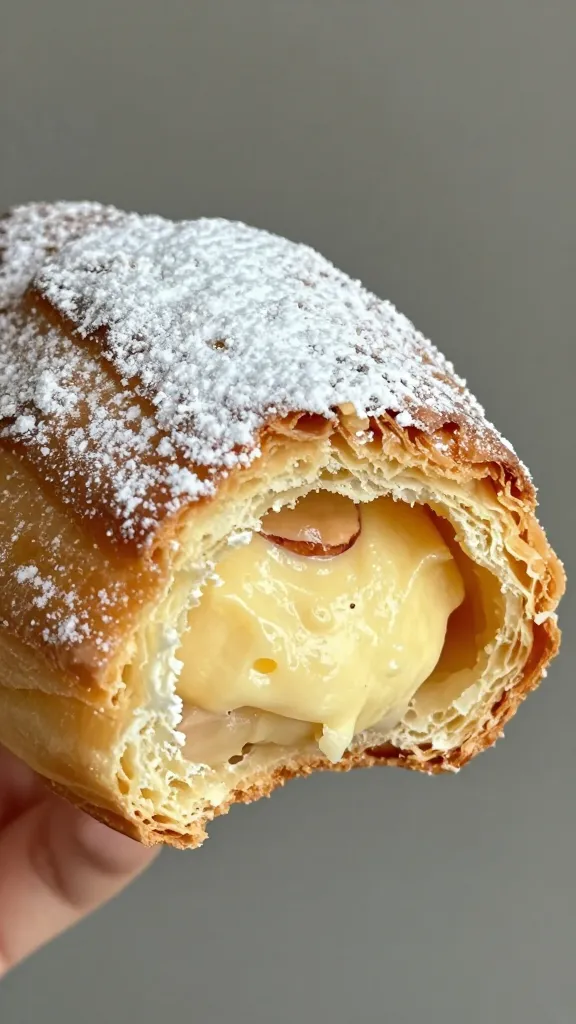
– Creamy, with a slight grain from the ricotta if you don’t go ultra-smooth.
– Bright citrus notes cut through the richness, so you don’t feel like you’ve swallowed a dessert brick.
– The shell adds a welcomed crunch that makes every bite feel special, not just “another sweet thing.”
– It’s not aggressively sweet, which means you can enjoy more than one without regretting life choices.
The Cassatina vs. cannoli debate
Yes, people compare every Sicilian dessert to something else—no, it doesn’t have to be a war. Cassatina is like cannoli’s more laid-back cousin. Cannoli lean on a fried, tube-shaped shell, with a ricotta or chocolate chip filling that can be indulgent to the max. Cassatina, by contrast, leans toward a compact, handheld experience with a shell that’s crisp but not brittle and a filling that’s creamy but not museum-dust dry. IMO, they can co-exist in harmony on the same dessert plate. Try both and thank me later.
Where to find Cassatina: from markets to menus
If you’re lucky, you’ll spot Cassatina at Sicilian bakeries, especially around festive seasons like Christmas or Easter. Markets in Palermo, Catania, and Messina often have street-vendor versions that taste like “grandma’s kitchen if grandma had a pastry lab.” If you’re not near Sicily, search for Sicilian bakeries in your city or look for professional Italian pastry shops offering seasonal specials. It’s the kind of treat that travels well, so don’t be surprised if you see it pop up in unexpected places.
Homemade hacks to get closer to authentic vibes
– Swap in almond paste for a nuttier, denser filling if you like.
– Add a whisper of orange blossom water for a Mediterranean perfume.
– Use almond brittle bits inside the filling for a satisfying crunch.
Wine pairing and coffee vibes
– A light, sparkling Moscato or a dry Prosecco can cut through the richness without clashing with citrus notes.
– Strong espresso or a slow, ritualistic cup of coffee makes the whole experience extra Italian-90s-mci. If you’re feeling fancy, try a small glass of Marsala to echo the dessert’s sweetness.
FAQs about Cassatina
Is Cassatina a dessert you can make year-round?
Yes, but it shines during holidays or gatherings. The flavors feel celebratory, and the prep vibe is forgiving enough for a weekend bake-a-thon. If you’re using fresh ricotta, make sure it’s well-drained so the filling isn’t sloppy.
Can I use almond paste instead of ricotta?
Absolutely. Almond paste gives a denser, nuttier finish. If you go this route, you might want to add a splash of lemon zest to keep things bright and not cloying.
What’s the best shell texture for Cassatina?
You want a shell that’s sturdy but tender, with a delicate crunch. Too thick, and it overwhelms the filling; too thin, and it collapses. A light honey glaze can help achieve that perfect balance.
Any recommended variations for dietary needs?
– For dairy-free: use almond ricotta or coconut cream-based fillings.
– For gluten-free: there are gluten-free pastry shells that still give you the crack and snap you crave.
– For vegan: combine almond milk ricotta with coconut oil and a touch of agave.
Why this dessert deserves a permanent spot in your rotation
Cassatina isn’t just another sweet treat; it’s a tiny journey to Sicily in a bite. It’s easy to share, hard to resist, and adaptable to different palates. It’s the sort of dessert that makes you look less like you’re judging a pastry and more like you’re hosting a cozy tasting session with friends. FYI, once you’ve had Cassatina, you’ll start seeking out new iterations—the way you do with a favorite artist’s new album.
Conclusion
Cassatina is the Sicilian dessert you didn’t know you needed until now. It’s got that elegant balance of crunch and cream, a whisper of citrus, and enough charm to earn a permanent shelf in your dessert lineup. So next time you crave something sweet, give Cassatina a shot. It’s approachable, it’s delicious, and—trust me—it’s going to surprise you in the best possible way.
